16 Days of Activism Against Gender-Based Violence 2025 Priority Actions

by December 8, 2025

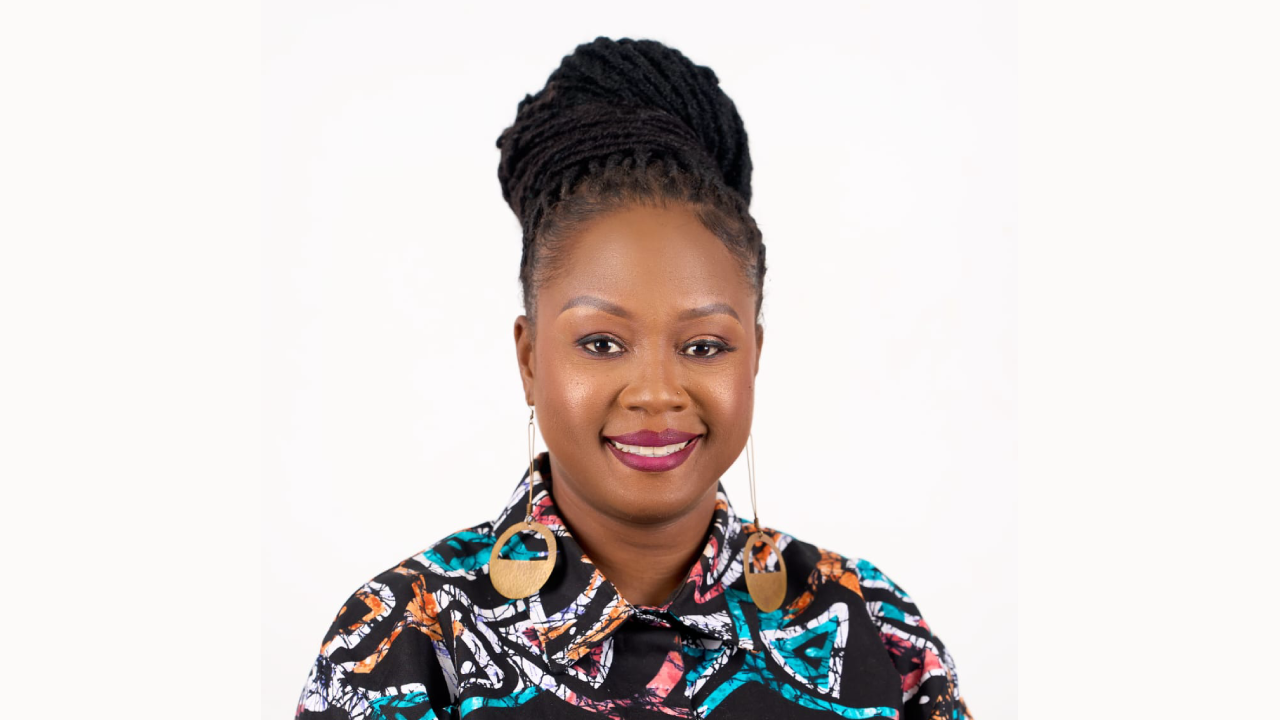
The UWI Regional Headquarters Jamaica. Friday, December 5, 2025—The following statement is authored by Dr. Halimah DeShong, University Director, Institute for Gender and Development Studies at The University of the West Indies.

Since the early 1990s, activist communities across the Caribbean, have joined our counterparts in the rest of the world, to promote heightened awareness of the problem of sexual and gendered harms, during the 16 Days of Activism Gender-based Violence. Annually, the period November 25 to December 10 invites reflections on progress made and enduring barriers to preventing and ending the sexual and gendered violence, disproportionately affecting women, girls and persons with diverse genders and sexualities.

This year, we, at the Institute for Gender and Development Studies, at The University of the West Indies, join our regional and global communities of activists and advocates in raising awareness of emerging ways in which these violences proliferate. Two such concerns occupy our focus this year.

  1. Reflected in the 2025 United Nations’ theme, “UNiTe to End Digital Violence against Women and Girls” is a call for us to more meaningfully confront the rapid rate at which information and communications technologies (ICTs) are weaponised to commit acts of sexual and gendered violence. In other words, we encourage an increased focus on technology-facilitated sexual and gender-based violence. There is also need to acknowledge how communities of activists, psychosocial professionals and educators, mobilise ICTs and other digital technologies to denounce violence, and to promote gender equity and justice.
  2. Consistently embedding gender and social inclusion perspectives in disaster preparedness, mitigation and recovery effects must be prioritised; especially in the wake of the devastating effects of Hurricane Melissa, in Haiti, Jamaica and Cuba.


Sometimes cited as ‘technology facilitated’, ‘image-based’, ‘digital’ and/or ‘online’ sexual and gender-based violence, these harms refer to acts of violence committed, assisted, aggravated, or amplified through the use of ICTs and digital media, against someone, based on their gender and/or sexuality. Women, girls, persons with diverse genders and sexualities, and children are far more likely to be targets.

Naming the context in which digital violence occurs is changing as rapidly as innovations in ICTs and digital media appear. These changes notwithstanding, identifiable patterns emerge and include:

  • The perpetration of cyberstalking or unwanted, persistent and threatening contact, and surveillance through the use of technology. This is often linked to forms of stalking which occur offline;
  • Posting of sensitive, personal material without a person’s permission;
  • Image-based violence involving the use of sexual imagery, without a person’s consent, in ways that can humiliate, exploit and/or objectify an individual;
  • The manipulation of images using editing software, such as attaching someone’s face to another’s body;
  • Online impersonation; and
  • Online attacks in the form of sexual harassment and bullying through the use of digital technologies and digital media.


Even as ICTs are used in ways to commit these egregious harms, we also recognise how activists use digital technologies, including digital media, to call attention to, and to strategise to end sexual and gendered violence. We commend groups like ‘Intersect Antigua’ for their work which leverages ICTs and other digital technologies to address sexual and gendered violence in our Caribbean. Our knowledge products at the Institute for Gender and Development Studies, at The UWI, increasingly mobilise digital technologies as part of our outreach and activism. Additionally, a draft model law on technology-facilitated sexual and gender-based violence, now exists as part of work under the Belém do Para Convention, to which several Caribbean governments are signatories.

Turning attention to the second of our 2025, 16 Days of Activism priority actions, we reiterate the need for amplified focus on preventing and addressing the increased levels of sexual and gendered violence, against women and girls, that emerge in the wake of crisis. It is for this reason that we urge state, civil society, community, private sector and development agency partners, supporting relief efforts across the Caribbean, to ensure gender and social inclusion perspectives are embedded in disaster mitigation and recovery efforts.

There are far too many lessons on how existing inequalities are heightened in times of crisis. Inconsistent engagement with these vantage points in the language, design and actions associated with relief and rebuilding, often means that we miss how, for example:

  • Women and children are far more likely to be displaced;
  • The intensification of unpaid work and care activities (including in shelters) which predominantly fall to women and girls;
  • The immediate injury and mortality rates, associated with hurricanes and other hazards, tend to be higher for men, who are more likely to be engaged in labour-intensive preparatory and recovery work, and who are more likely to take riskier actions during a storm, explosive eruption or other hazards;
  • Women are far more likely to be affected by decreased access to contraception and other sexual and reproductive health resources;
  • Increased rates of unwanted pregnancies for women and girls in post disaster situations;
  • Existing challenges in the built-environment are made worse for persons with physical disabilities in a disaster context;
  • Increased likelihood of women’s and girls’ exposure to sexual and gendered violence;
  • Inadequate representation of women, persons with disabilities and representatives from rural communities on national response effort leadership teams; and
  • The need for more resources to be directed to support civil society organisations, including women-led and disabilities-focused entities, on the frontlines of recovery action.


This year, we invite you to be part of the change required for shifting the attitudes, practices, and systems of gender inequality, which produce, and sustain violence against women and girls. Join our efforts to name, confront and reject the various ways in which sexual and gendered harms endure. Encourage decision-makers in your countries and communities to prioritise a focus on gender and social inclusion in comprehensive disaster management, disaster resilience planning; and the promotion of just uses of technology. Make a difference in your circles of influence by using and sharing the educational material highlighted here, and by being a voice for change in your community.

Note to the Editor: Dr. Halimah DeShong was appointed new University Director of the Institute for Gender and Development Studies (IGDS) in September 2024.

 END


About The University of the West Indies

The University of the West Indies (The UWI) has played a crucial role in Caribbean development for over 75 years, consistently contributing to the improvement of the well-being of people across the region.

Established in 1948 as a university college of London in Jamaica, with just 33 medical students, UWI has grown into an internationally respected, global university with nearly 50,000 students. Today, it boasts five campuses: Mona in Jamaica, St. Augustine in Trinidad and Tobago, Cave Hill in Barbados, Five Islands in Antigua and Barbuda, and its Global Campus, along with international centres in partnership with universities across North America, Latin America, Asia, Africa, and Europe.

The UWI offers over 1000 certificate, diploma, undergraduate and postgraduate degree options in Culture, Creative and Performing Arts, Food and Agriculture, Engineering, Humanities and Education, Law, Medical Sciences, Science and Technology, Social Sciences, and Sport. As the leading university in the Caribbean, it is home to the largest pool of intellect and expertise in the region, dedicated to addressing the critical issues facing both the Caribbean and the wider world.

Validated by its inclusion in the Times Higher Education (THE) annual rankings since 2018, The UWI has affirmed its position as one of the top universities globally. It stands out as the only English-speaking institution in the Caribbean featured in four of THE’s prestigious ranking lists. The World University Rankings evaluate over 2,000 research-focused universities worldwide, while the Golden Age University Rankings highlight institutions established between 50 and 80 years ago. The Latin America Rankings focus specifically on universities within Latin America and the Caribbean. Additionally, the Impact Rankings assess universities based on their contributions to the United Nations’ Sustainable Development Goals (SDGs).

This recognition has also springboarded the establishment of The UWI’s International School for Development Justice (ISD), a global online graduate business school aimed at preparing future leaders for sustainable development.

The UWI is an SDG-engaged university consistently recognised among the best in the world. Discover more at www.uwi.edu.